Picky
The EU Platform Work Directive: what changes for Uber and Bolt drivers from December 2026
On 2 December 2026, the deadline runs out for every EU country to turn the Platform Work Directive into national law. It's the first EU law written specifically for people who work through apps like Uber, Bolt, Glovo or Wolt. Here's what it says, in plain words.
Who it covers
The Directive (EU) 2024/2831 covers platform work done in the EU, wherever the platform itself is based. Its rules on employment status apply to people who may really be employees. Its rules on algorithms and personal data apply to everyone doing platform work, including self-employed drivers.
1. A presumption of employment
If the facts show that a platform controls and directs your work, you're presumed to be its employee, not self-employed. Each country decides how this is applied, following its own law and court decisions. The key change is the burden of proof: it's up to the platform to show you're genuinely independent, not up to you to prove you're an employee.
It doesn't automatically turn every driver into an employee. Many drivers value their independence, and in countries where drivers work through fleet partners the effect may be different. But it gives drivers who are effectively managed like staff a much stronger case.
2. Rules for the algorithm
This is the part that affects every driver. Platforms will have to:
- tell you when automated systems monitor you or make decisions about you, and the main things those systems take into account;
- have people oversee the systems, with staff who can review and overturn automated decisions;
- explain significant decisions, such as a restricted, suspended or closed account, and let you ask for them to be reviewed by a person.
Decisions to suspend or close an account must be taken by a human, not by the algorithm alone.
3. Limits on your data
Platforms will no longer be allowed to process certain kinds of data about you, including:
- your emotional or psychological state;
- your private conversations, including with other drivers;
- data collected while you're not offering or doing platform work;
- data used to predict whether you'll exercise rights like joining a union.
Will it change your pay?
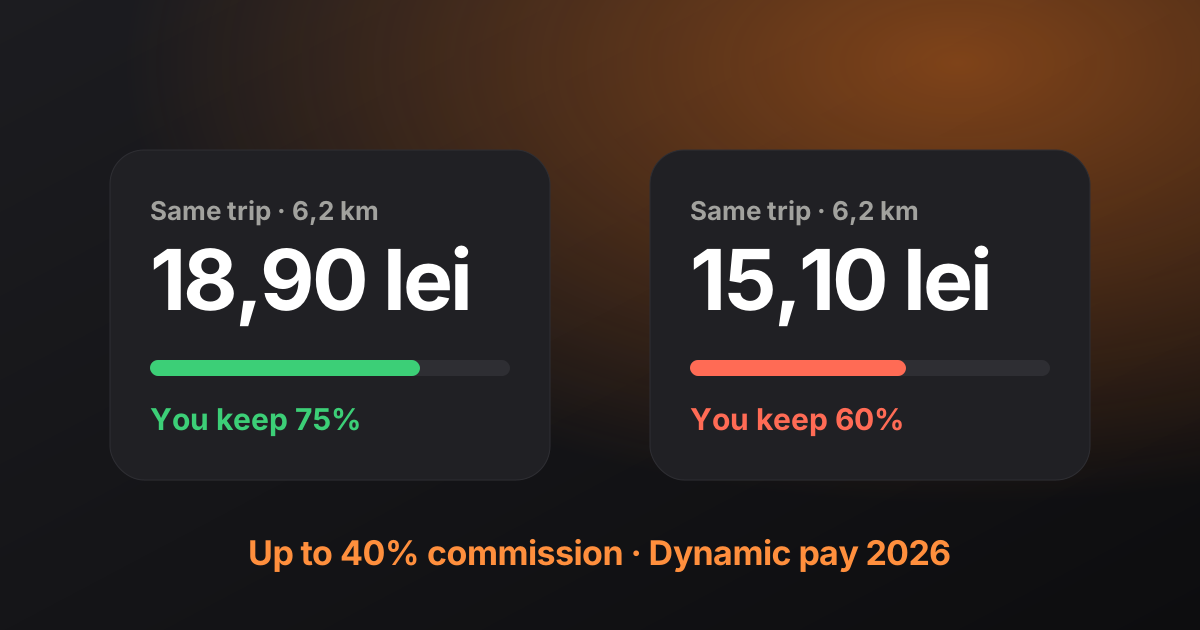
Not directly: the Directive doesn't set fares or commissions. But transparency rules may matter for pay. The September 2026 ETUC study found that, in the countries it looked at, Uber's dynamic commission isn't shown to drivers when they accept a trip (see dynamic pay in 2026). How far the new rules go in forcing that information onto the offer card will depend on each country's law and on enforcement.
Where things stand
Progress is uneven. Italy's government approved a draft law in July 2026; the Netherlands has a Platform Work Act in progress and has said it won't meet the deadline; reports in autumn 2026 suggested few countries had a complete law in force. If a country misses the deadline, the European Commission can take action against it, but for drivers, the national law is what counts in practice. Check your labour ministry's website for updates.
What you can do today
- Ask for your data. The GDPR already lets you request the data a platform holds about you, including your trip history.
- Keep records. Screenshots of deactivation messages and weekly statements help if you need to challenge a decision.
- Talk to driver associations or unions in your country. They follow the national law as it's written.
This article is general information, not legal advice.